Years ago, my friend and I were training in one of those get-things-done gyms. Bare brick. Freezing air. No frills. We were rowing for the university and we thought we were pretty fit.
Then we saw a poster on the wall for Ironman Bolton.
For those who don't know — it's a long distance triathlon. 3.8km swim. 180km bike. 42km run.
We looked at the poster. We looked at each other. And we walked away.
Six years of waiting to feel ready
We spent the next hour — and then the next six years — making excuses.
We told ourselves we weren't ready. We didn't swim well enough. We didn't have the right bikes. We hadn't run a marathon. We were waiting for a version of ourselves that felt prepared.
Eventually we realised something uncomfortable:
Waiting to be ready was just a slow way of failing.
So we signed up for a triathlon in London. Even that felt like a huge step. But we started.
That one proactive choice — to just get on the start line despite our apprehension — changed our internal physics. Momentum took over.
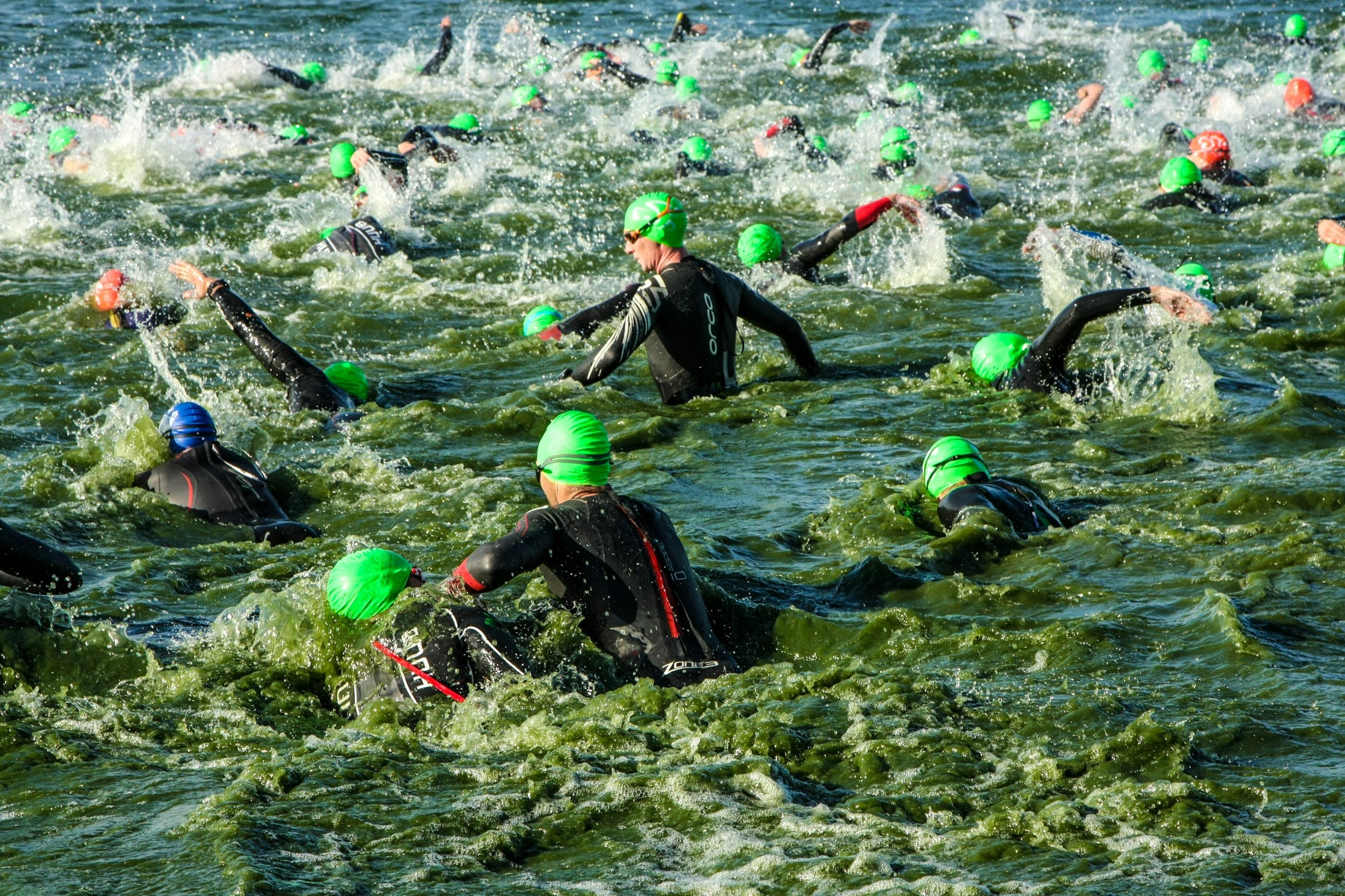
Six years after looking at that Ironman Bolton poster, we were standing at the bottom of the cliffs in Tenby, waiting for sunrise to signal the start of Ironman Wales.
The difference between reactive and proactive
Reactive is worrying about all the things you can't control. Waiting for someone to tell you what to do. Letting the situation happen to you.
Proactive is looking at what you can control right here, right now, and trying to drive things forward.
The gap between thinking and doing is where most people get stuck. They become reactive. They wait for perfect conditions, the right moment, the feeling of being ready.
The feeling never comes. The conditions are never perfect. The right moment is now.
Two warnings about being proactive
Being proactive does come with a few warning labels worth knowing:
First — you won't always get it right. But so long as you're receptive to input you'll help the group move forward quicker. It's easier for others to contribute to something in motion than to something that hasn't started.
Second — your proactivity will threaten people. It acts as a mirror to their own inaction. A Navigator doesn't slow down for them. But they do reach back to bring them along.
How to start before you feel ready
You don't need to sign up for an Ironman. But you do need to sign up for something.
• Identify the thing you've been waiting to feel ready for
• Ask yourself: what's the smallest possible version of starting?
• Do that thing today — not when the conditions are right
• Let momentum do the rest
The start line changes everything. You can't steer a parked car.
Action beats reaction.
If this resonated a comment on YouTube helps more people find the Navigator Mindset. Even one sentence about what landed means the world. 🍋
Stay in the loop — get notified when new Navigator content drops.
